Introduction
The shift towards a plant-based diet is more than just a trend; it is backed by science. Research conducted by (Bye et al., 2021) shows that adopting this lifestyle can provide numerous health benefits, including reducing the risk of chronic diseases, improving overall well-being, and enhancing longevity. This article explores the science-backed benefits of a plant-based diet and why making the transition can benefit your health.
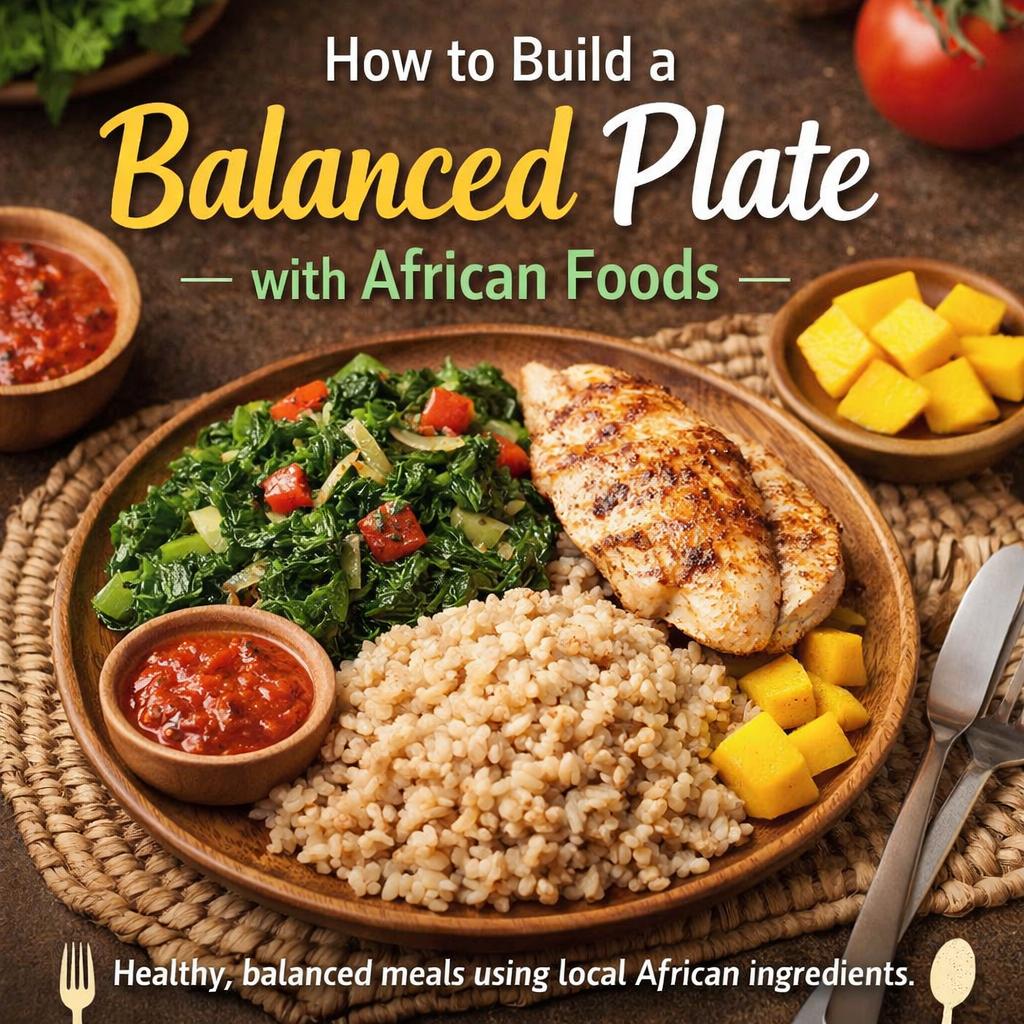
What is Plant-Based Food? This diet focuses on consuming whole, plant-derived foods such as fruits, vegetables, legumes, whole grains, nuts, and seeds. It doesn't mean that you must be strictly vegetarian or vegan; rather, it prioritizes plants as the foundation of your plate.
The Health Benefits of Plant-Based Eating
1. Lowers the Risk of Heart Disease A plant-based diet is scientifically proven to lower heart disease risk—a leading cause of death worldwide. Research indicates that incorporating more plants helps reduce blood pressure and cholesterol. The American Heart Association (2023) advocates for plant-forward eating to decrease saturated fat intake and increase fiber, which is essential for cardiovascular protection.
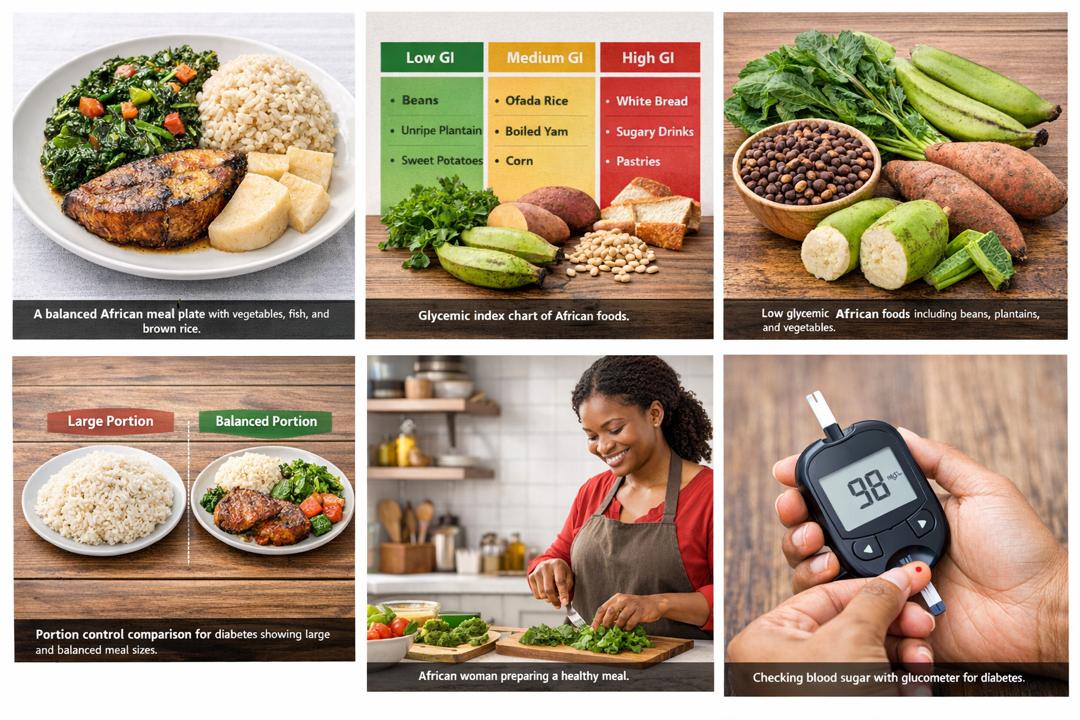
2. Reduces Risk of Type 2 Diabetes Studies by (Thomas et al., 2023; McMacken & Shah, 2017) show that plant-based foods improve insulin sensitivity and reduce inflammation. For those in Nigeria and across Africa, where diabetes rates are rising, switching to fiber-rich traditional plants can be a life-saving proactive step.
3. Cancer Prevention Antioxidants and phytochemicals in plants protect cells from damage. The World Health Organization (2015) classified processed meats as carcinogenic, suggesting that reducing animal products directly lowers cancer risk.
4. Reduced Blood Pressure A systematic review by (Tomé and Visioli, 2023) found that plant-based diets can lower blood pressure by 6-10 mmHg. The high potassium content in fruits and vegetables helps counterbalance sodium, promoting healthier circulation.
5. Improved Metabolic Markers Termannsen et al. (2022) demonstrated that a vegan diet significantly reduces fasting blood glucose levels. Fiber improves glucose metabolism, reducing the risk of metabolic syndrome.
6. Lower Cholesterol Levels Research in JAMA Internal Medicine (2022) found that vegan diets can reduce total cholesterol by 15-20%. Plant-based diets are high in polyunsaturated fats, which lower LDL ("bad") cholesterol and reduce the risk of atherosclerosis.
7. Weight Management & Gut Health Plant-based foods are generally lower in calories and higher in fiber, promoting satiety (Leydon et al., 2023). Furthermore, a diverse plant intake supports a healthy gut microbiome, which is linked to better mental health and immune function (Yao, 2024).
Nutrient Composition: Finding the Balance
While plant-based diets are rich in fiber, magnesium, and Vitamin C, they can be lower in Vitamin B12, Zinc, and Vitamin D. The EPIC-Oxford study highlights that meat-eaters generally have higher protein intake (17.2%) compared to vegetarians (14.0%). To bridge this gap, focus on nutrient-dense sources like lentils, seeds, and fortified foods.
Common Myths Debunked
- Myth: Plant diets lack protein.
- Fact: Lentils, quinoa, and tofu provide all essential amino acids for muscle repair.
- Myth: It’s too expensive.
- Fact: Staples like beans, rice, and seasonal local vegetables are often cheaper than meat.
- Myth: It isn't safe for children.
- Fact: A balanced plant-based diet is safe for all ages, provided B12 and Iron are monitored through fortified foods.
Practical Tips to Transition
Start Gradually: Replace one or two meat-based meals a week with plant-based options.
Go for Greens: Incorporate kale, spinach, or pumpkin leaves (Ugu) daily.
Fruit for Dessert: Satisfy sweet cravings with a slice of watermelon or a crisp apple.
Join the Community: Stay informed with Nu3careplus for pro tips on plant-based nutrition.
Conclusion
The science is compelling: from reducing chronic disease to improving gut health, plant-derived foods are a cornerstone of longevity. Whether you go fully plant-based or simply increase your vegetable intake, every small step contributes to a healthier you.
Disclaimer: This information is for educational purposes only. Always consult with a healthcare professional or a licensed nutritionist before making major changes to your diet or exercise routine.
References
- Bye, Z.L., et al. (2021). What role do plant-based diets play in supporting optimal health? Advances in Nutrition, 12(6).
- American Heart Association (2023). How does Plant-Forward Eating Benefit Your Health?
- World Health Organization (2015). Cancer: Carcinogenicity of red and processed meat.
- Thomas, M.S., et al. (2023). Healthy plant-based diets improve dyslipidemias. Advances in Nutrition, 14(1).
- Tomé-Carneiro J, Visioli F. (2023). Plant-Based Diets Reduce Blood Pressure. Curr Hypertens Rep.
- Termannsen AD, et al. (2022). Effects of vegan diets on cardiometabolic health. Obes Rev.
- McMacken M, Shah S. (2017). A plant-based diet for Type 2 diabetes. J Geriatr Cardiol.
- Yao, J. (2024). Gut Microbiome and Mental Health. Highlights in Science, Engineering and Technology.
- JAMA Network Open (2023). Vegetarian Dietary Patterns and Cardiometabolic Risk.
- Leydon, C.L., et al. (2023). Aligning Environmental Sustainability and Health. Advances in Nutrition.
- EPIC-Oxford. Lifestyle characteristics and nutrient intakes in the UK. PubMed.