by Jane, 2026
2 days ago
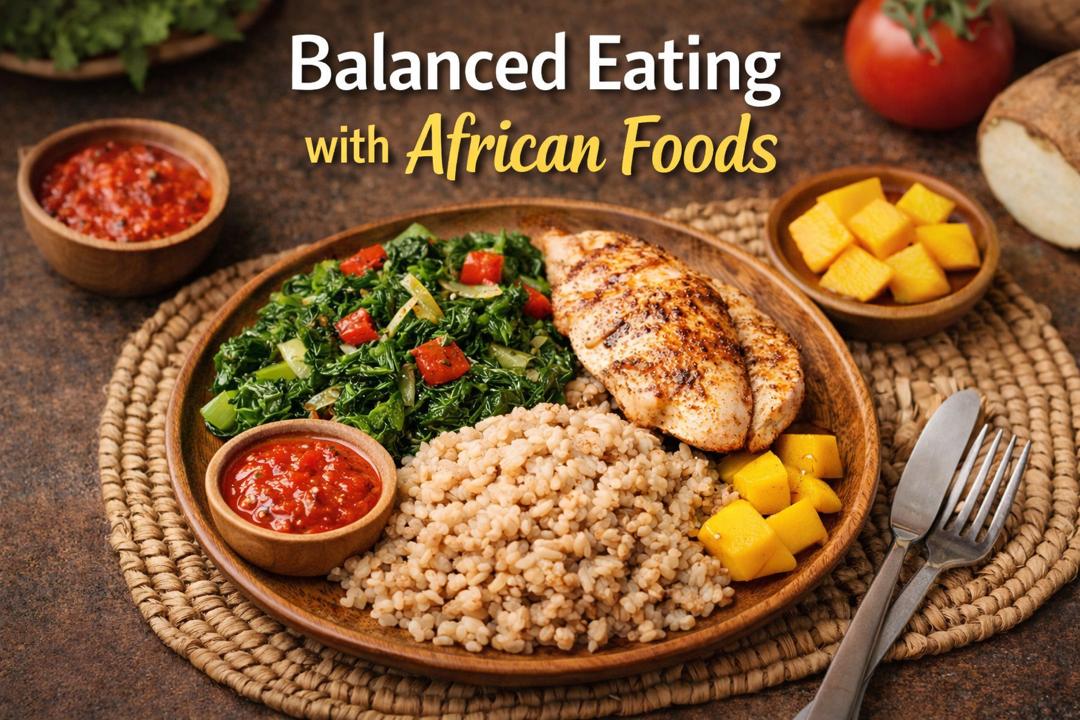
Healthy eating is often presented as complicated, expensive, or foreign. Many people believe that to eat well, they must abandon familiar African foods for imported alternatives. At Nu3CarePlus, we believe the opposite is true.
A balanced diet can be achieved using local, affordable foods — when you understand portions, combinations, and timing.
This guide explains how to build a balanced plate using African foods, whether your goal is general wellness, weight management, or long-term health maintenance.
A balanced plate simply means eating the right combination of nutrients at every meal to support energy, digestion, and overall wellbeing.
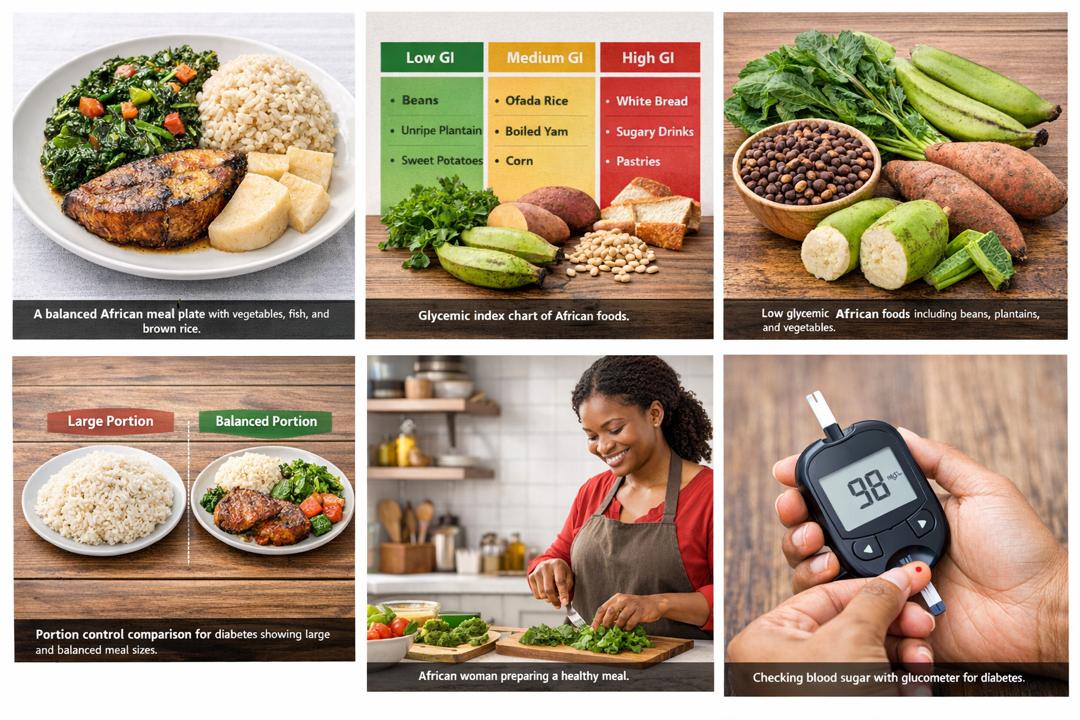
A practical visual guide:
½ of your plate: vegetables
¼ of your plate: protein
¼ of your plate: carbohydrates
Small amounts of healthy fats
This approach helps:
Improve digestion
Support stable energy levels
Reduce overeating
Support long-term metabolic health
The Foundation of Every Healthy Meal
Vegetables provide fiber, vitamins, minerals, and antioxidants. They also help you feel full without excessive calories.
Ugu (pumpkin leaves)
Spinach
Okra
Bitter leaf
Ewedu
Waterleaf
Cabbage

Support gut health
Help regulate blood sugar
Reduce inflammation
Improve heart health
Aim for vegetables at every main meal, cooked lightly to preserve nutrients.
Protein: Essential for Strength and Balance
Protein supports muscle repair, immune function, and satiety.
Fish (fresh or grilled)
Eggs
Beans and lentils
Lean chicken or turkey
Soy products
Protein helps slow digestion and keeps you satisfied longer, reducing unhealthy snacking.
Choose Smart, Control Portions
Carbohydrates are not the enemy. The problem is type and portion size.

Can I still eat swallow?
Yes, in small portions and always with plenty of vegetables and protein.
Is healthy eating expensive? No.
Many local foods are affordable and nutritious when used wisely.
Healthy eating does not require extreme dieting or foreign foods. With the right balance, African meals can fully support wellness and long-term health. At Nu3CarePlus, we encourage sustainable nutrition that fits your lifestyle, culture, and health goals.
Nutrition & Healthy Eating Info
World Health Organization (WHO) – Healthy Diet
https://www.who.int/news-room/fact-sheets/detail/healthy-diet
General guidance on balanced eating and nutrient intake.
Food and Agriculture Organization (FAO) – Nutrition Resources
http://www.fao.org/nutrition/en/
Guidelines on staple foods, African diets, and local nutrition.
Harvard T.H. Chan School of Public Health – The Nutrition Source
https://www.hsph.harvard.edu/nutritionsource/
Practical tips on building balanced plates, portion control, and healthy fats.
American Diabetes Association – Nutrition Tips
https://diabetesjournals.org/care/article/44/Supplement_1/S73/138957/Nutrition-Recommendations-for-Diabetes
Even if the article isn’t diabetes-focused, this page has practical plate-building guidance that applies to general nutrition.
African Leafy Vegetables – Food Composition Data
http://www.fao.org/infoods/infoods/tables-and-databases/en/
Great for readers who want to check the nutritional value of African vegetables like Ugu, Bitter Leaf, Spinach, Okra.