Managing blood sugar levels effectively requires more than just reducing sugar intake, it involves understanding how different foods impact glucose levels in the body. One of the most important concepts in diabetes nutrition is the Glycemic Index (GI).
The Glycemic Index ranks foods based on how quickly they raise blood sugar levels after consumption. By choosing low-GI African foods, individuals can better manage diabetes and maintain stable energy levels throughout the day [1].
What is Glycemic Index?
The Glycemic Index (GI) is a scale from 0 to 100 that measures how fast carbohydrates in food raise blood glucose levels.
Low GI (0–55): Slow digestion, stable blood sugar
Medium GI (56–69): Moderate impact
High GI (70+): Rapid blood sugar spikes
Foods with a low GI are recommended for people managing diabetes because they release glucose gradually into the bloodstream [2].
Glycemic Index of Common African Foods
Understanding local foods is key for practical diabetes management.
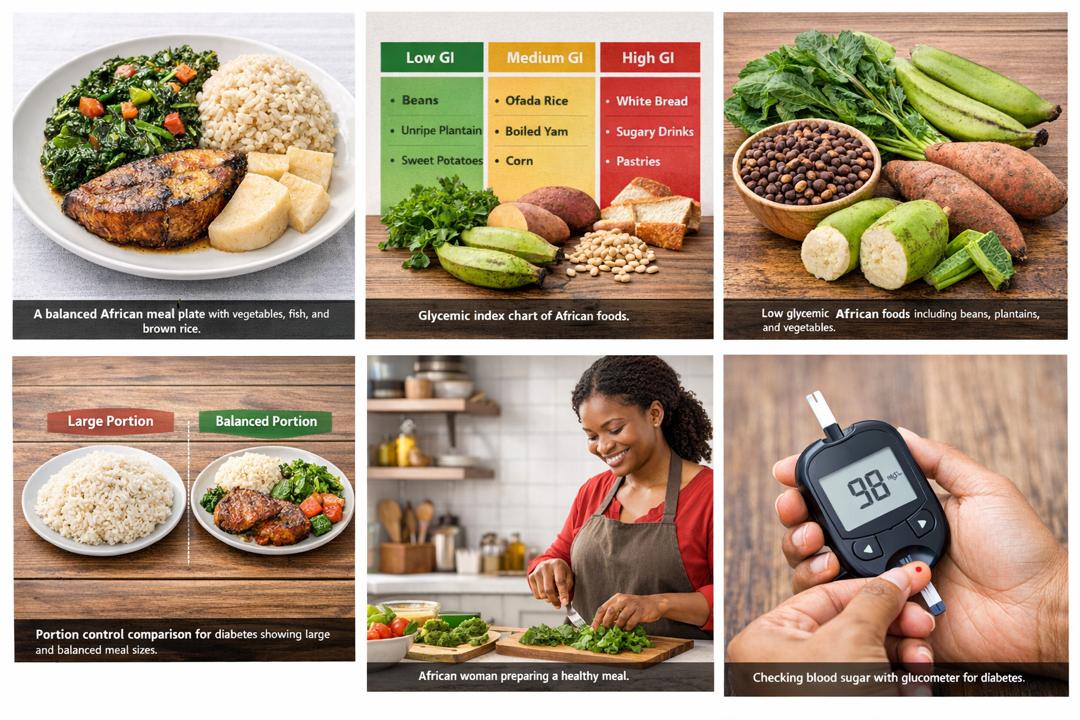
Low GI African Foods (Recommended):
Beans (Ewa)
Unripe plantain
Sweet potatoes
Millet
Sorghum
These foods are rich in fiber and help slow glucose absorption [3].
Medium GI Foods (Consume in Moderation):
Ofada rice
Boiled yam
Corn
Portion control is important when consuming these foods.
High GI Foods (Limit Intake):
White bread
Processed cereals
Sugary drinks
Large portions of garri
These foods can cause rapid spikes in blood sugar levels and should be minimized [4].
Why Glycemic Index Matters
Foods with high GI:
Cause sudden spikes in blood sugar
Increase insulin demand
Can lead to fatigue and hunger
Low GI foods:
Provide steady energy
Improve insulin sensitivity
Support long-term metabolic health [1][5]
Practical Example (Nigerian Context)
Instead of:
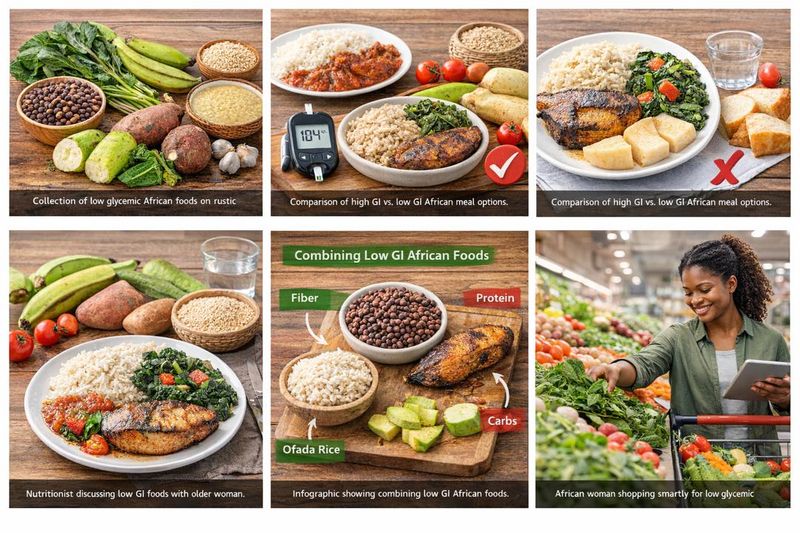
White rice + sugary drink
Try:
Ofada rice (small portion) + vegetables + fish
This combination reduces the overall glycemic load of the meal and helps stabilize blood sugar levels.
Combining Foods for Better Results
The Glycemic Index of a meal can be improved by combining food groups:
Add protein (fish, eggs)
Include fiber (vegetables)
Reduce refined carbohydrates
For example:
Beans + vegetables + fish = balanced, low GI meal
Nutrition Insights
Cooking methods affect GI (boiled foods are better than fried)
Fiber slows digestion and reduces glucose spikes
Whole foods are better than processed foods.
How Nu3CarePlus Helps;
Nu3CarePlus provides personalized meal guidance by connecting you to a real clinically certified nutritionists and dietitians virtually at your comfort to help you choose the right foods based on your health condition and goals.
Conclusion
Understanding the Glycemic Index of African foods empowers individuals to make smarter dietary choices. By focusing on low-GI foods and balanced meals, it is possible to maintain stable blood sugar levels while still enjoying traditional diets.
Medical References & Citations
[1] World Health Organization (WHO): Healthy Diet Fact Sheet. [Link]
[2] American Diabetes Association: Glycemic Index and Diabetes Management. [Link]
[3] Food and Agriculture Organization (FAO): Carbohydrates in African Diets. [Link]
[4] International Diabetes Federation (IDF): Managing Postprandial Glucose. [Link]
[5] Harvard T.H. Chan School of Public Health: Glycemic Index and Health. [Link]
Reviewed by Certified Nutritionist: Favour Ogbuchi
Author Bio
Author: Nu3CarePlus Team
We provide Clinical nutritional support by our certified Experts to help Africans manage diabetes and improve overall health outcomes.
Disclaimer
This information is for educational purposes only and does not constitute medical advice. Always consult with a healthcare professional before making significant changes to your diet.