Introduction
Nutrition myths spread easily, especially regarding health, weight, and diet. In Africa, many long-held beliefs about food and weight loss can be misleading. A balanced diet and sustainable health are best achieved when you understand the science behind portions and food choices rather than following "viral" misconceptions [1][3].
Let’s uncover the 25 biggest nutrition myths and set the record straight!
The Nutrition Myth-Busting Ledger
1. Eating late causes weight gain.
Total daily calories and activity levels dictate fat storage, not the clock [1].
2. Lean foods are always better.
Many "low-fat" items use added sugars and artificial fillers for taste [3].
3. Avoid all fat to lose weight.
Healthy fats (avocados, nuts) support brain function and metabolism [1].
4. Carbs are the only cause of weight gain.
Complex carbs (whole grains, legumes) provide essential fiber and energy [2].
5. Skipping meals aids weight loss.
This can slow metabolism and lead to overeating later in the day [4].
6. Detox teas burn fat.
Most lack evidence; fat loss requires a consistent calorie deficit and exercise [3].
7. Eggs raise dangerous cholesterol.
Eggs are nutrient-dense; they don't significantly raise disease risk for most [1].
8. Red meat is always bad.
Lean cuts are excellent sources of protein and iron when eaten in moderation [5].
9. Cut out all sugar to be healthy.
Focus on limiting added sugars, not natural sugars in fruits and dairy [1].
10. Weight loss is only about exercise.
Genetics, hormones, and fiber-rich diets are equally vital components [4].
11. Low-calorie diets are best.
Extreme restriction slows your metabolism, making maintenance harder [1].
12. Drink exactly 8 glasses of water daily.
Hydration is individual; listen to your body and check your activity levels [3].
13. Low-fat dairy is healthier.
Full-fat dairy is more satiating and may prevent overeating [1].
14. Small meals boost metabolism.
Total daily intake and portion control are more impactful than meal frequency [3].
15. Lose weight by giving up favorites.
Moderation allows for occasional treats within a balanced diet [4].
16. Supplements guarantee results.
Most weight loss supplements lack rigorous scientific backing [3].
17. Diabetics must avoid all carbs.
High-fiber whole grains help maintain steady, healthy blood sugar [4].
18. High protein damages kidneys.
In healthy individuals, protein is vital for repair and does not harm kidneys [1].
19. Avoid all processed foods.
Minimally processed foods like yogurt or canned beans are healthy staples [2].
20. Gluten-free is always healthier.
Unless you have an intolerance, whole grains offer essential nutrients [3].
21. Coconut oil is the healthiest oil.
It is high in saturated fat; olive oil is superior for heart health [1].
22. High-cholesterol foods are dangerous.
Dietary cholesterol has a limited impact on blood levels for most people [1].
23. If you’re thin, you’re healthy.
Internal health markers matter more than outward body size or weight [1].
24. You can spot-reduce fat.
Fat loss happens across the entire body, not just in one targeted area [3].
25. Healthy eating is too expensive.
Local staples like beans and seasonal greens are affordable and elite fuel [2].
Tips for Healthy Eating in Africa
For better health, focus on these established standards:
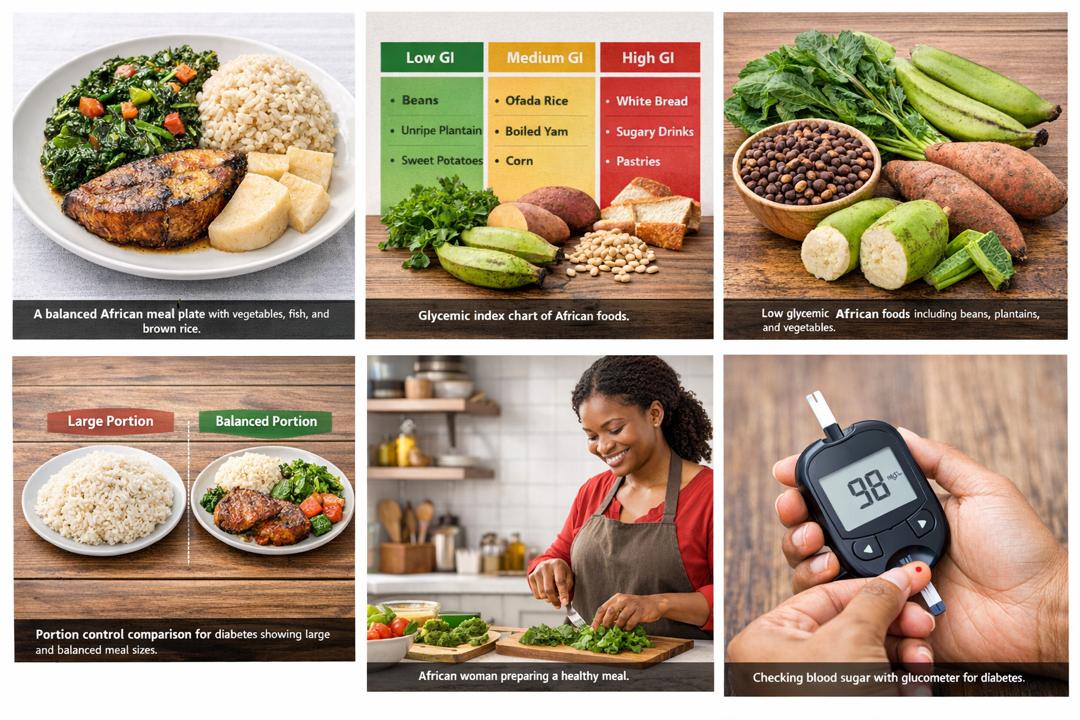
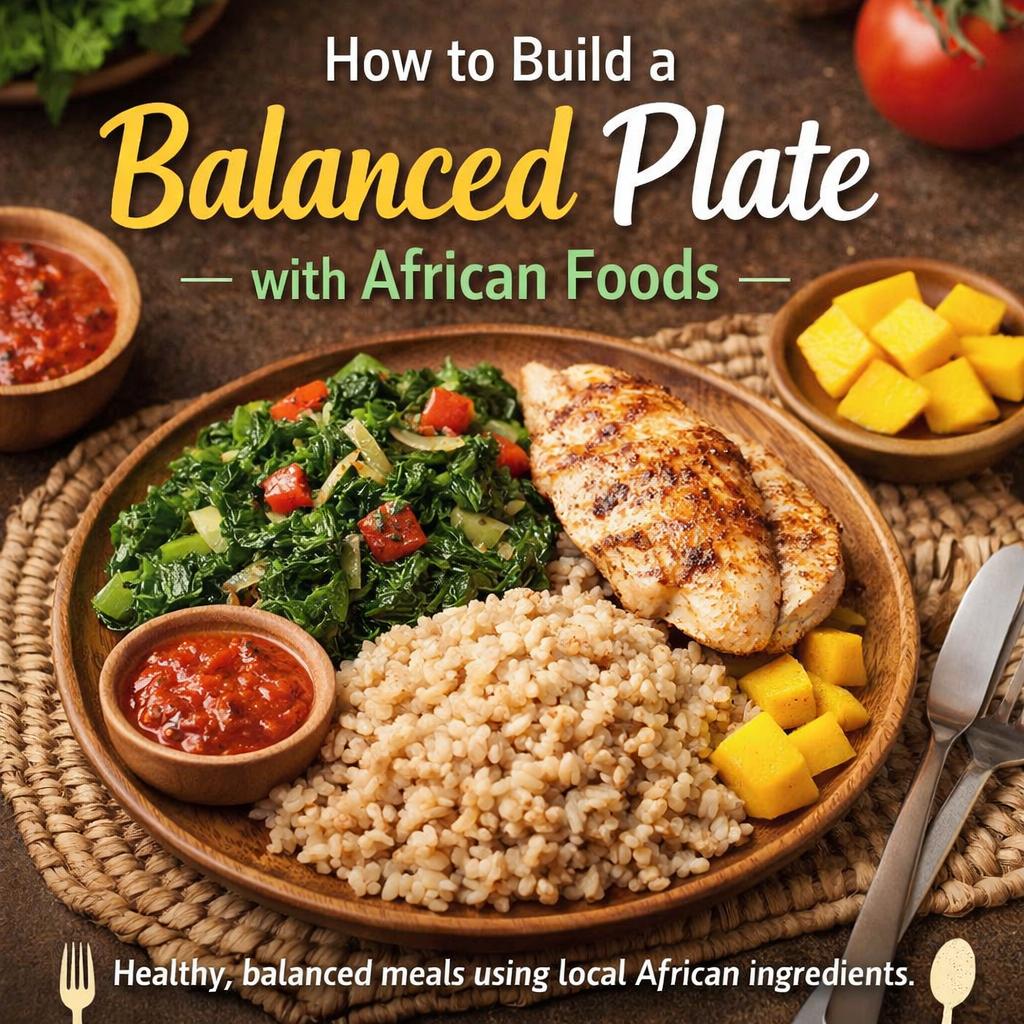
- The Balanced Plate: Fill ½ your plate with vegetables (Ugu, Spinach), ¼ with protein, and ¼ with whole carbs [3].
- High-Fiber Focus: Prioritize local, natural foods to support digestion and satiety [2].
- Mindful Consumption: Avoid excessive processed fats and sugars.
- Expert Guidance: Consult with Nu3careplus for a plan tailored to your body.
Medical References & Citations
[1] World Health Organization (WHO): Healthy Diet Fact Sheet. Link
[2] Food and Agriculture Organization (FAO): Nutrition Guidelines for African Staple Crops. Link
[3] Harvard T.H. Chan School of Public Health: The Healthy Eating Plate & Nutrition Myths. Link
[4] American Diabetes Association: Standard of Care in Nutrition & Weight Management. Link
[5] FAO/INFOODS: Database for Food Composition of Key African Foods. Link
Disclaimer: This information is for educational purposes only and does not constitute medical advice. Always consult with a healthcare professional before making significant changes to your diet.