Introduction
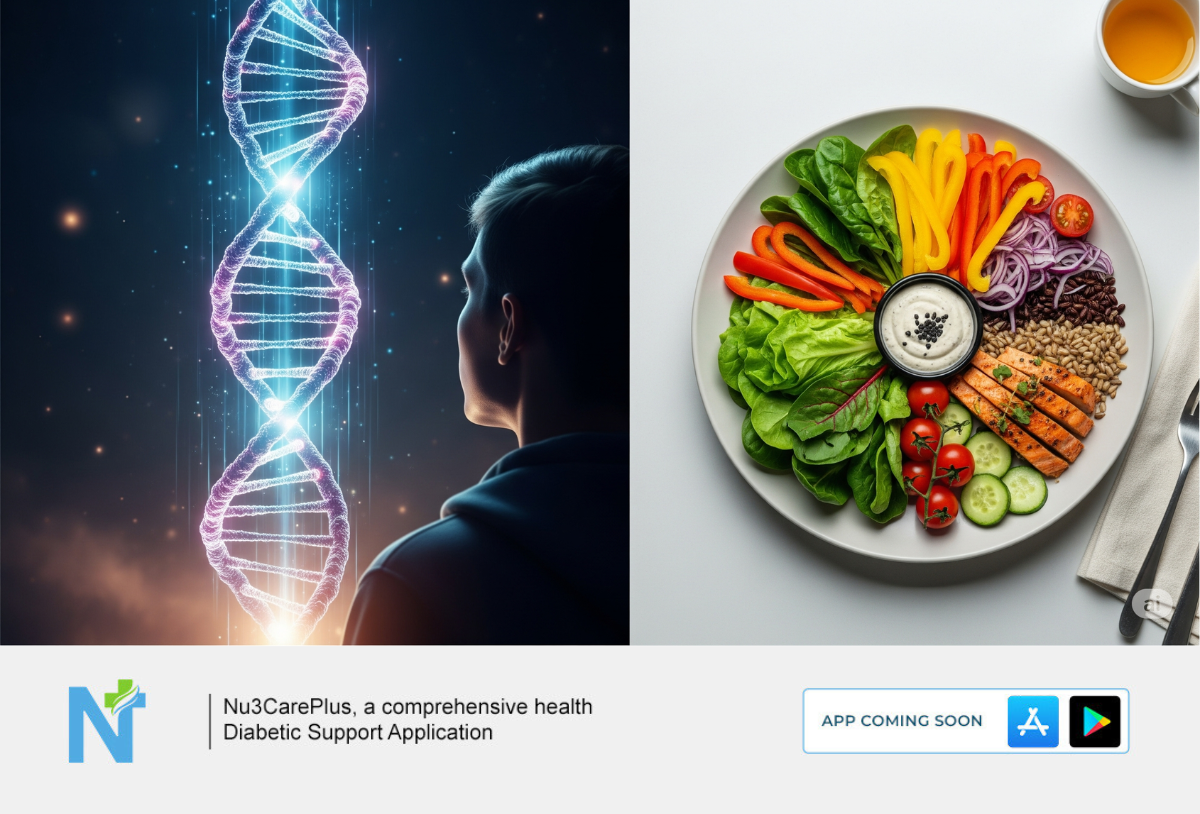
The traditional "one-size-fits-all" dietary approach is increasingly being replaced by Nutrigenomics—the study of how individual genetic variations interact with nutrients to affect health. For those managing diabetes, understanding this unique biological blueprint is a clinical necessity for stabilizing blood glucose and preventing long-term complications [1][3].
The Science of Individual Response
Two individuals can consume the exact same meal yet experience vastly different metabolic outcomes. This divergence is driven by specific "genetic switches" that regulate internal processes [2][5]:
- Carbohydrate Metabolism: Variations in genes determine how efficiently your body converts starches (like rice or yam) into glucose.
- Insulin Sensitivity: Genetic markers influence how effectively your cells respond to insulin, impacting your risk for insulin resistance.
- Inflammatory Pathways: Certain predispositions make individuals more prone to systemic inflammation, which can exacerbate diabetic complications.
- Lipid Processing: Genes dictate how your body absorbs and utilizes fats, directly affecting cardiovascular health—a primary concern in diabetes care [4].
The Synergy of Genetics and Lifestyle
While genes provide the "instruction manual," lifestyle factors act as the "engine room." Research highlights that environmental inputs can modify how genes express themselves [1]:
- Nutrient Timing: Aligning meal times with your natural circadian rhythms.
- Physical Activity: Enhancing insulin receptor sensitivity through consistent movement.
- Sleep & Stress: Managing cortisol levels to prevent secondary glucose spikes.
Data-Driven Personalization Tools
Modern technology allows us to move beyond generic advice by capturing real-time biological feedback:
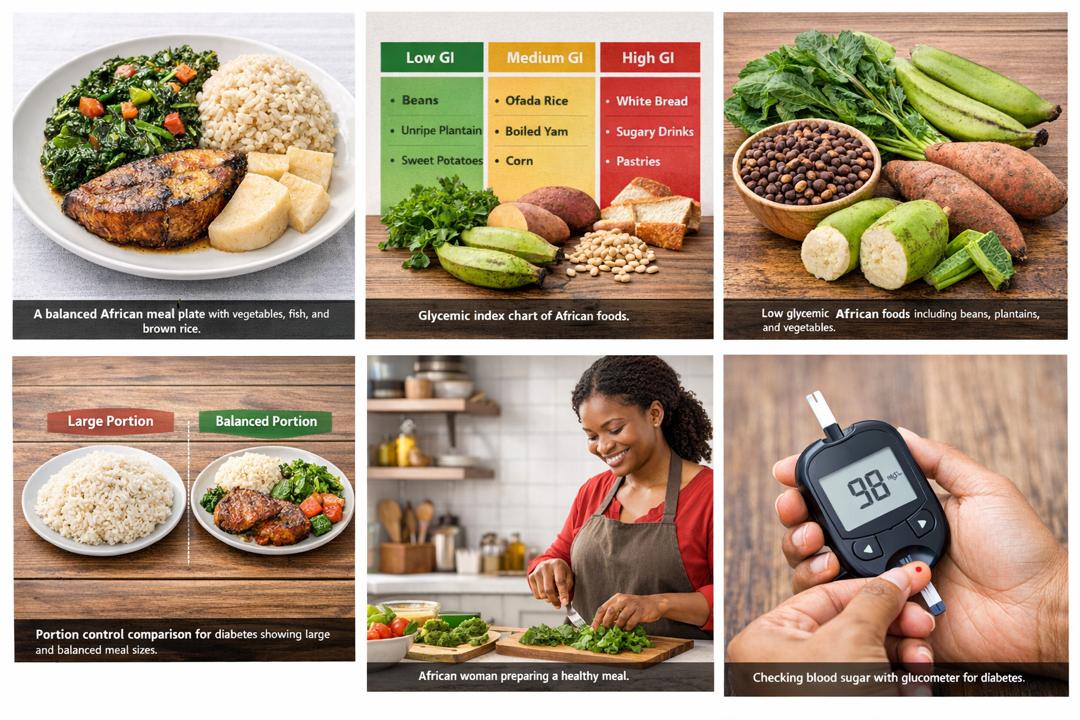
- Continuous Glucose Monitors (CGMs): Provide immediate data on how specific foods (e.g., white bread vs. whole grains) impact your unique blood sugar curve [3].
- Wearable Integration: Syncing activity levels and sleep quality to adjust nutritional requirements daily.
- Smart Platforms: Consolidating health history and metabolic responses into a tailored meal plan.
Medical References & Citations
[1] National Center for Biotechnology Information (NCBI): Nutrigenomics and Personalized Diets: What Will the Future Hold? Link
[2] American Diabetes Association (ADA): Genetics of Type 2 Diabetes and the Role of Nutrition. Link
[3] Journal of Personalized Medicine: Precision Nutrition in Diabetes Management. Link
[4] World Health Organization (WHO): Genomics and World Health: Nutritional Genomics. Link
[5] Frontiers in Nutrition: The Impact of Nutrigenomics on Chronic Disease Prevention. Link
Disclaimer: This information is for educational purposes only and does not constitute medical advice. Always consult with a healthcare professional or a registered dietitian before making significant changes to your diabetes management plan.