Introduction
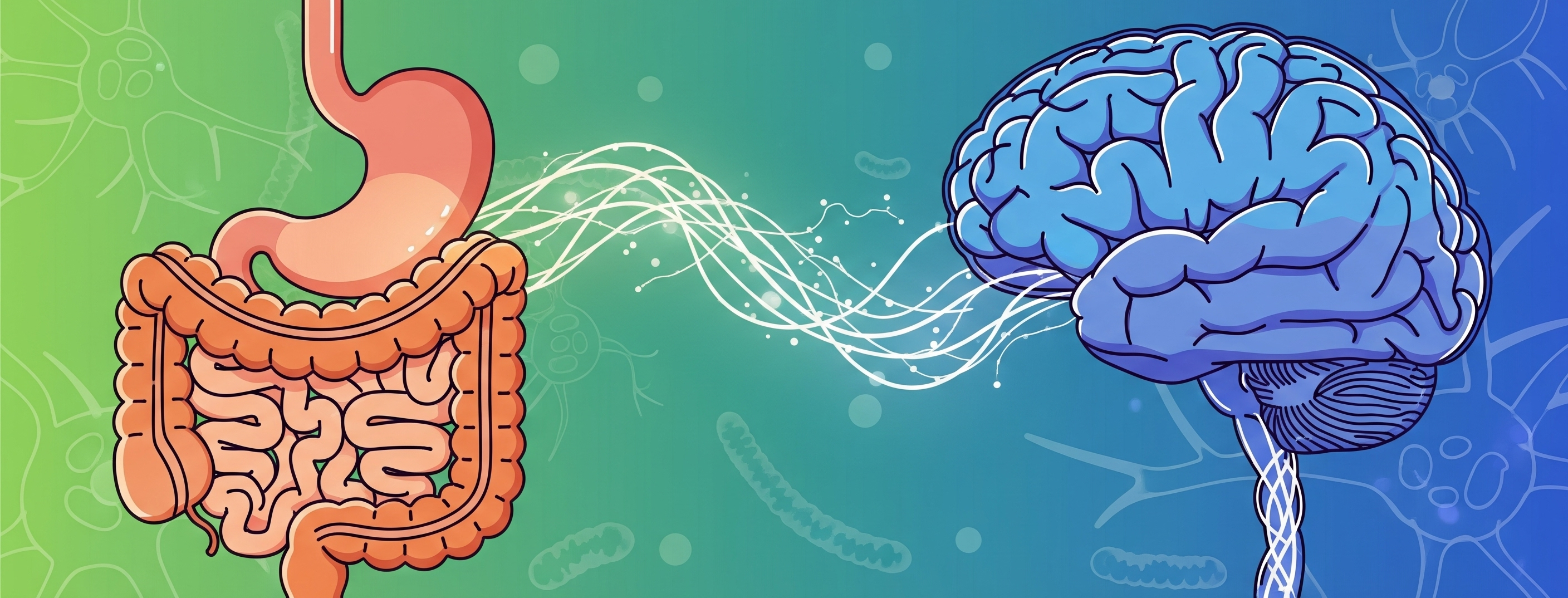
The human gastrointestinal tract is no longer viewed merely as a digestive engine, but as a complex sensory organ and "second brain." Emerging clinical research into the gut-brain axis reveals a bidirectional communication system where the trillions of microorganisms in your microbiome directly influence emotional regulation, stress responses, and cognitive function [1][3].
The Anatomy of the "Second Brain"
Your gut and brain are linked through a sophisticated network that transcends simple digestion. This connection operates via several critical pathways [2][5]:
- The Vagus Nerve: A physical "data cable" that transmits real-time signals between the gut and the brain, influencing heart rate and emotional state.
- Neurotransmitter Synthesis: Remarkably, approximately 95% of the body's serotonin—the "happiness hormone"—is produced in the gut, alongside dopamine and GABA [1].
- The Enteric Nervous System (ENS): A mesh-like system of neurons in the digestive tract that can function independently to manage gut behavior and mood-related signals.
- Metabolic Byproducts: When gut bacteria ferment fiber, they produce Short-Chain Fatty Acids (SCFAs) like butyrate, which cross the blood-brain barrier to support brain health and reduce inflammation [4].
The Clinical Connection: Gut Health and Mental Wellness
Dysbiosis, or an imbalance in gut bacteria, has been clinically linked to various mental health challenges [3][4]:
- Anxiety & Depression: Studies show that a diverse microbiome is associated with lower levels of systemic inflammation, a known trigger for depressive symptoms.
- Stress Modulation: A healthy gut helps regulate cortisol, the body’s primary stress hormone, preventing prolonged "fight or night" states.
- Cognitive Performance: Balanced gut flora supports memory retention and focus by maintaining a healthy neural environment.
Practical Strategies for a "Happier" Gut
To shift your "fuel switch" toward mental clarity and emotional balance, prioritize these nutritional interventions:
Increase Dietary Fiber: Feed beneficial bacteria with whole grains, legumes, and diverse vegetables to stimulate SCFA production.
Integrate Fermented Foods: Naturally introduce probiotics via yogurt, kefir, kimchi, and ugba/peere (local fermented delicacies).
Prioritize Prebiotics: Use "fertilizer" foods like garlic, onions, and under-ripe bananas to help existing healthy bacteria flourish.
Reduce Pro-Inflammatory Triggers: Limit highly processed sugars and artificial sweeteners that can disrupt microbial diversity.
Medical References & Citations
[1] Harvard Health Publishing: The Gut-Brain Connection. Link
[2] Nature Reviews Gastroenterology & Hepatology: The microbiota–gut–brain axis. Link
[3] Journal of Clinical Medicine: Gut Microbiota and Mental Health: An Updated Review. Link
[4] Frontiers in Psychiatry: Short-Chain Fatty Acids and the Gut-Brain Axis. Link
[5] Cleveland Clinic: What is the Gut-Brain Axis? Link
Disclaimer: This information is for educational purposes only and does not constitute medical advice. Always consult with a healthcare professional before making significant changes to your diet, especially if managing chronic conditions.